Facecam, video podcast, vlog: which format should you choose?
Three video formats, three production approaches. How to choose the one that suits your goals and your energy.
Every creator asks us the exact same question: “Should I go for facecam or a video podcast?” The answer comes down to three things: the way you think, your business goals, and the energy you want to convey. There is no objectively 'right' format; there is simply the right format for you, at this particular stage of your project.
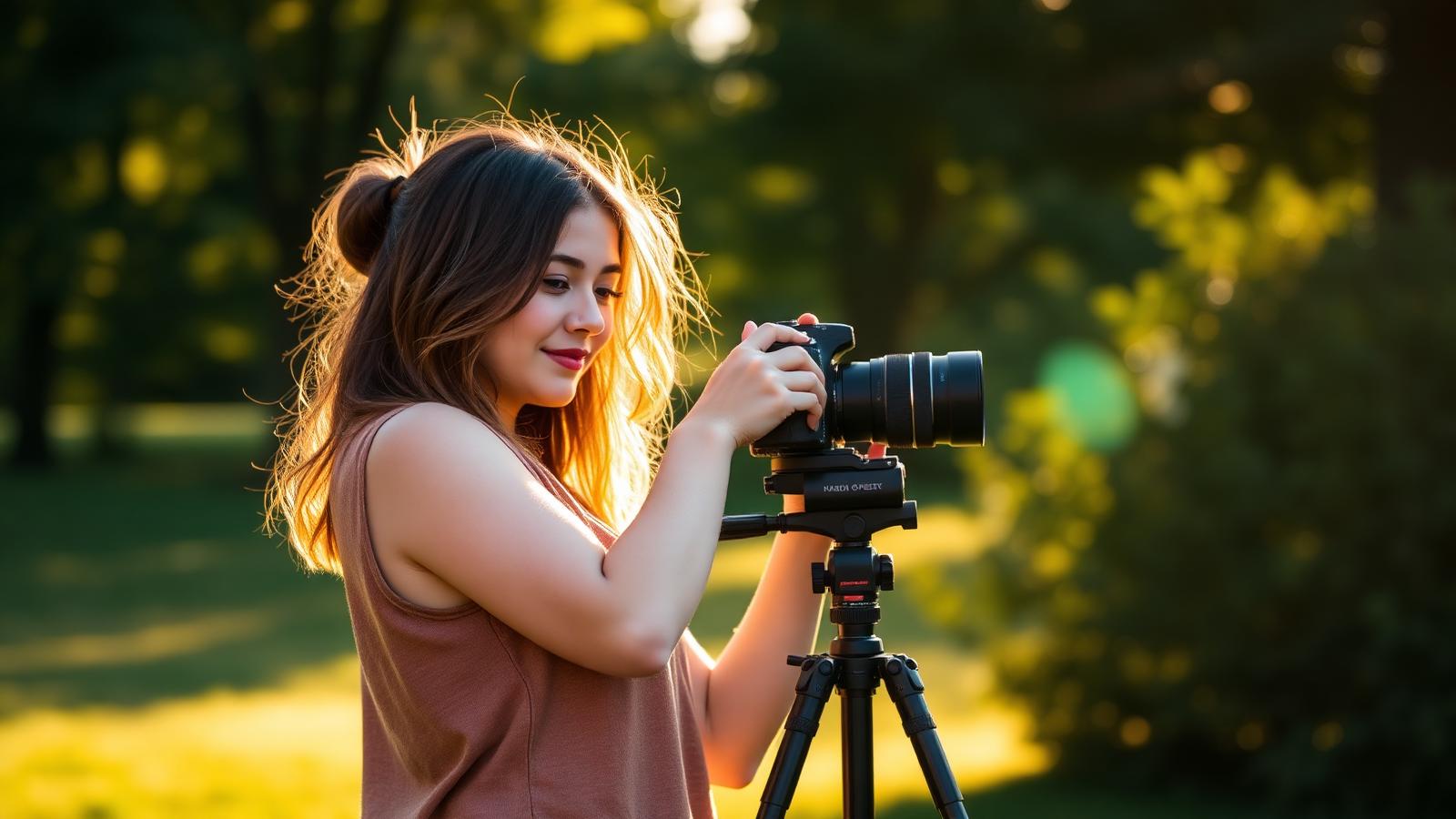
Facecam: direct, instructional delivery
You look straight down the lens and speak. It remains YouTube’s favourite format for educational content, business storytelling, or commentary. The advantage: you are in total control, from pacing to transitions. The downside: it is demanding to record on your own, and fatigue starts showing after 25 minutes of takes.
Facecam requires real confidence in front of the camera and an ironclad script. Without solid preparation, it quickly descends into a sluggish monologue. Done well, it is the most effective format for delivering a precise message to an established audience.
When to choose facecam
- You have a clear, structured message to share
- You feel comfortable on your own in front of the camera
- Your audience is looking for practical insights, frameworks, or tutorials
- You publish regularly and need a tight, compact format
Video podcast: the conversational approach
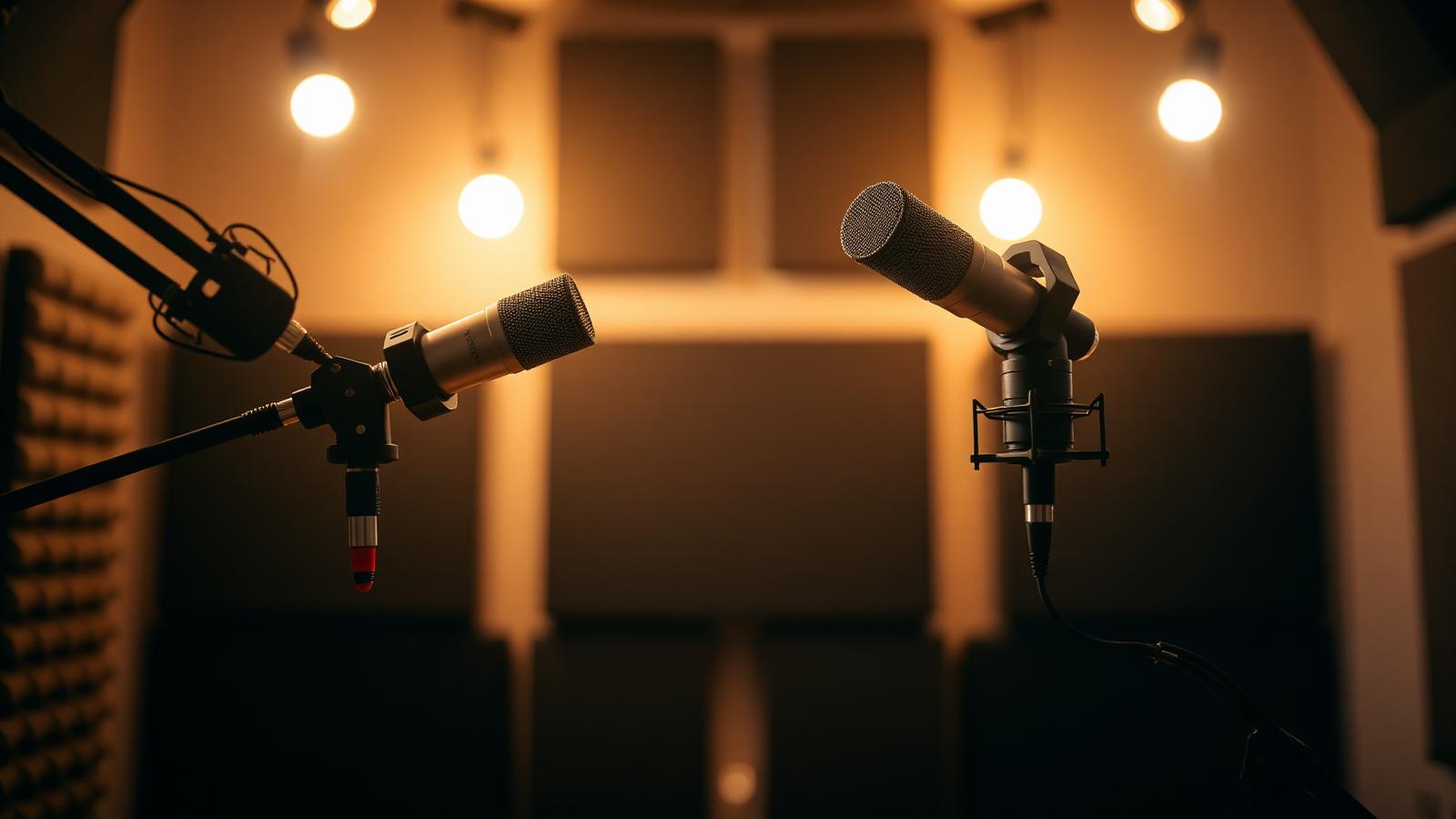
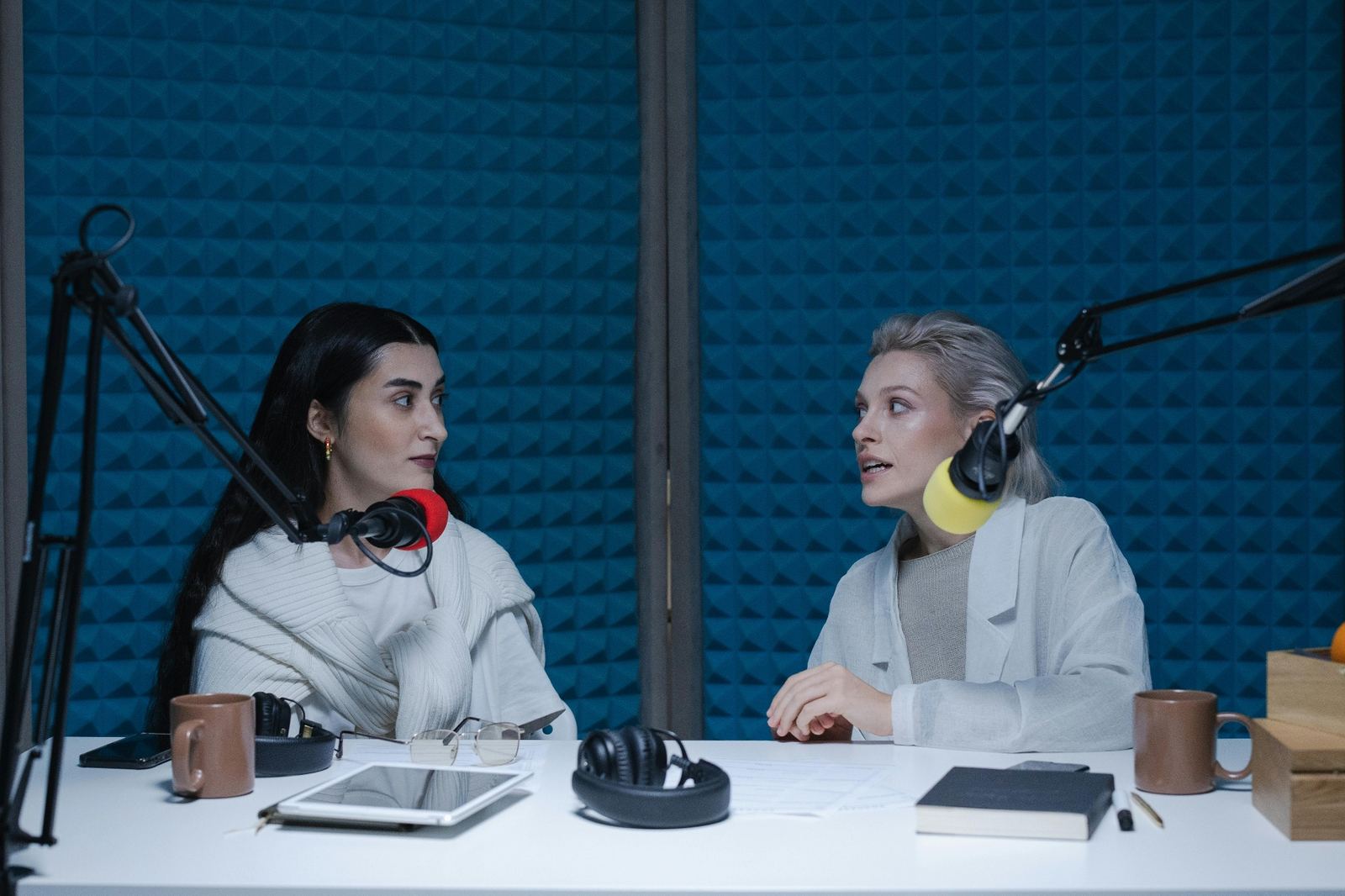
Two people, two microphones, two cameras. The format currently dominating the scene (The Diary of a CEO, GDIY, Le Gratin). It is far easier to record because the conversation carries the momentum — you are not shouldering the burden of 'performing' alone.
Video podcasts offer another massive benefit: each episode naturally yields 5 to 10 short clips, feeding your social channels for weeks. It is by far the most cost-effective format in terms of the 'filming hours to published content' ratio.
When to choose a video podcast
- You want to build a valuable network through your guests
- Your energy flows better in conversation than in a solo monologue
- You need a format that easily scales into short-form content
- Your audience appreciates in-depth, long-form discussion
Vlog: complete immersion
You document your day-to-day life, behind-the-scenes moments, and key decisions. It is the most authentic format, but also the most time-consuming to edit. Expect around one hour of editing for every minute of finished video if you want a polished result.
Vlogging is best kept for creators who genuinely love the craft and lead lives dynamic enough to make compelling viewing. It is a powerful niche format for early-stage founders documenting their journey.
The decision framework
If you are still undecided, ask yourself these three questions: how many hours per week can I realistically dedicate to production? Do I prefer writing or speaking off the cuff? Is my primary goal to build a network (interviews), share expertise (facecam), or document a journey (vlogs)?
Our recommendation
To launch in 2026 with a clear business focus: go for an interview-style video podcast. It offers the best return on time invested for organic reach. Facecam comes second for bite-sized educational clips (Shorts, Reels). As for vlogging, keep that for established creators looking to bring a more personal layer to their brand ecosystem.
“The best format is the one you will still be keeping up with 18 months from now.”
Ready to get started?
Book a studio session. Three Sony cameras, an operator, footage delivered within 48 hours. You leave with your files and nothing to worry about.